
If you have ever done everything right with a cash back purchase and still have not seen the earnings post, last-click attribution is almost certainly the reason. It is a technical concept with a plain-language explanation, and understanding it takes about five minutes. After that, you will never sequence your pre-checkout steps the same way again.
What Last Click Attribution Actually Means
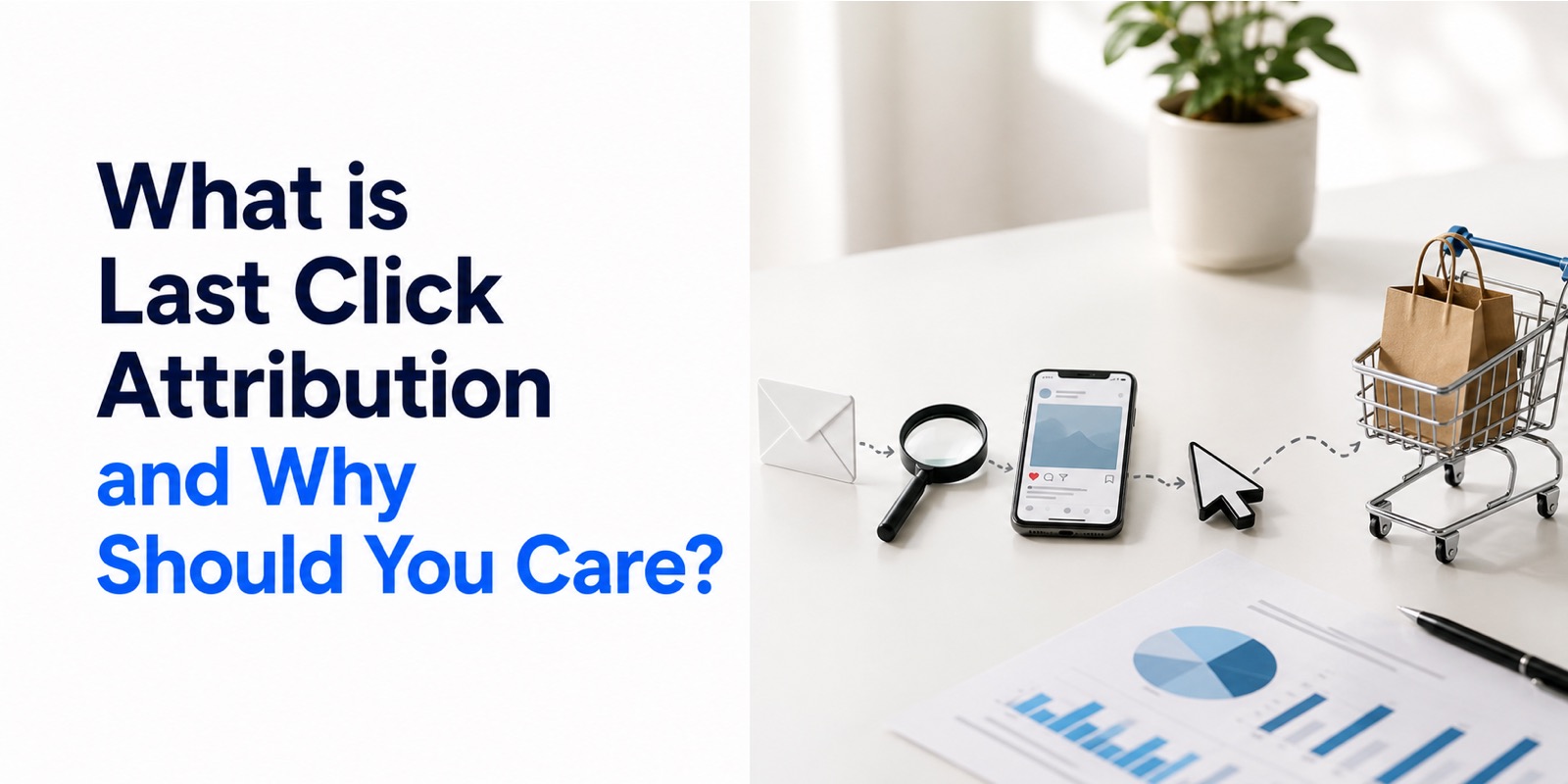
Last click attribution is the rule that determines which marketing source gets credit for a sale. In simple terms, when you make a purchase online, the platform that generated the final click before you completed checkout is the one that receives the affiliate commission from the retailer.
Not the first click. Not the most influential one. The last one.
Here is why that matters for your cash back. When you click through a cash back portal, the portal sets a tracking cookie in your browser that tells the retailer, “This shopper came through us.” That cookie is how the portal proves it sent you and collects its commission, which it then shares with you as cash back.
But if you click anything else between the portal and the checkout confirmation, that new click may overwrite the portal’s cookie with a different one. The new source gets credit. The portal gets nothing. You get nothing.
The Everyday Scenarios That Wipe Out Your Cash Back
This happens more often than most shoppers realize, and almost always by accident.
You click through RebatesMe to a clothing retailer. Then you open a new tab to Google the retailer’s name to find a promo code. You click a Google Shopping result or a coupon site link that takes you back to the same retailer’s site. That second click resets the attribution. The portal’s cookie has been overwritten, and your cash back tracking is gone.
Or you click through the portal, add items to your cart, then close the tab and reopen the retailer directly from your browser history the next day to complete the purchase. The session has ended, the cookie may have expired or been replaced, and the attribution no longer points to the portal.
Or you click through the portal on your laptop, then switch to your phone to finish checkout. Different device, no cookie transfer, no attribution.
None of these are mistakes the reader made intentionally. They are completely natural browsing behaviors that happen to conflict with how last click attribution works, and nobody explains this at sign-up.
Why This Is the Most Important Thing Cash Back Users Have Never Heard Of
According to research on affiliate marketing practices cited by the Performance Marketing Association, last-click attribution has been the dominant model for over a decade, primarily because it is easy to implement and audit. It is not designed with the end shopper in mind. It is designed for retailer and network accounting purposes.
The consequence for cash back users is that the model rewards the last touchpoint in a shopping journey, which is frequently a coupon site, a Google ad, or a price comparison engine, rather than the portal the shopper intentionally clicked through to earn cash back.
This is not a flaw in your cash back platform. It is a feature of how the entire affiliate industry is structured, and the only defense is knowing about it.
The Correct Pre-Checkout Sequence
Once you understand last click attribution, the fix is simple. It is just about sequencing.
Do your research first. Find the product. Compare prices. Look up reviews. Find your promo code. Do all of that before you touch the cash back portal.
Then, as your final step before adding to the cart and checking out, click through your portal. For RebatesMe, that means clicking through to the retailer from the RebatesMe site or letting the browser extension activate the session for you. From that point, go directly to checkout without opening new tabs, clicking external links, or switching devices.
The sequence is: research, then portal click, then checkout. In that order, every time.
If you are using a coupon code, that is fine. Apply it at checkout after you have already clicked through the portal. Entering a code in the checkout field does not trigger a new attribution event the way clicking an external link does. The cookie stays intact.
How the RebatesMe Browser Extension Helps With This
The browser extension addresses a specific aspect of the last-click attribution problem. When you land on a partner retailer’s site, the extension alerts you and activates the cash back session with one click, right in the browser. You do not have to navigate away to the portal site and then click back, which removes one of the most common accidental attribution breaks.
It also means that if you have already started browsing a retailer before you remembered to activate cash back, you can still set the attribution correctly from the extension without leaving the page and losing your cart. That single-click activation from inside the browser is one of the most underappreciated features of a well-built cash back extension, and it directly addresses the last click attribution problem in the moment it matters most.
One More Thing Worth Knowing
Some cash back portals are moving toward more sophisticated attribution models that give credit across multiple touchpoints rather than only the last one. This is still not the industry standard, but it is a direction the space is moving as member education around attribution increases.
For now, the last-click rule applies to most major retailers and portals. Knowing it, sequencing around it, and using tools that make correct attribution easier are what separate shoppers who earn consistently from those who earn occasionally and never understand why the results are uneven.
What is last click attribution? The rule is that the final click before your purchase gets the credit, and that’s why cash back sometimes disappears even when you did everything right. Now that you know how it works, the fix is straightforward: research first, portal click last, then straight to checkout. That sequence, applied consistently, is worth more to your annual cash back earnings than almost any other single habit change you can make.